
Sam Porter Bridges is back, and this time the stakes are higher than ever. In Death Stranding 2: On the Beach, the legendary courier who once stitched together a fractured America now ventures south — and all the way to the other side of the world — facing new threats, strange landscapes, and even stranger allies. I've been deep in this game since launch, and I can tell you firsthand: this sequel is more complex, more emotional, and more demanding than anything Kojima Productions has put out before.
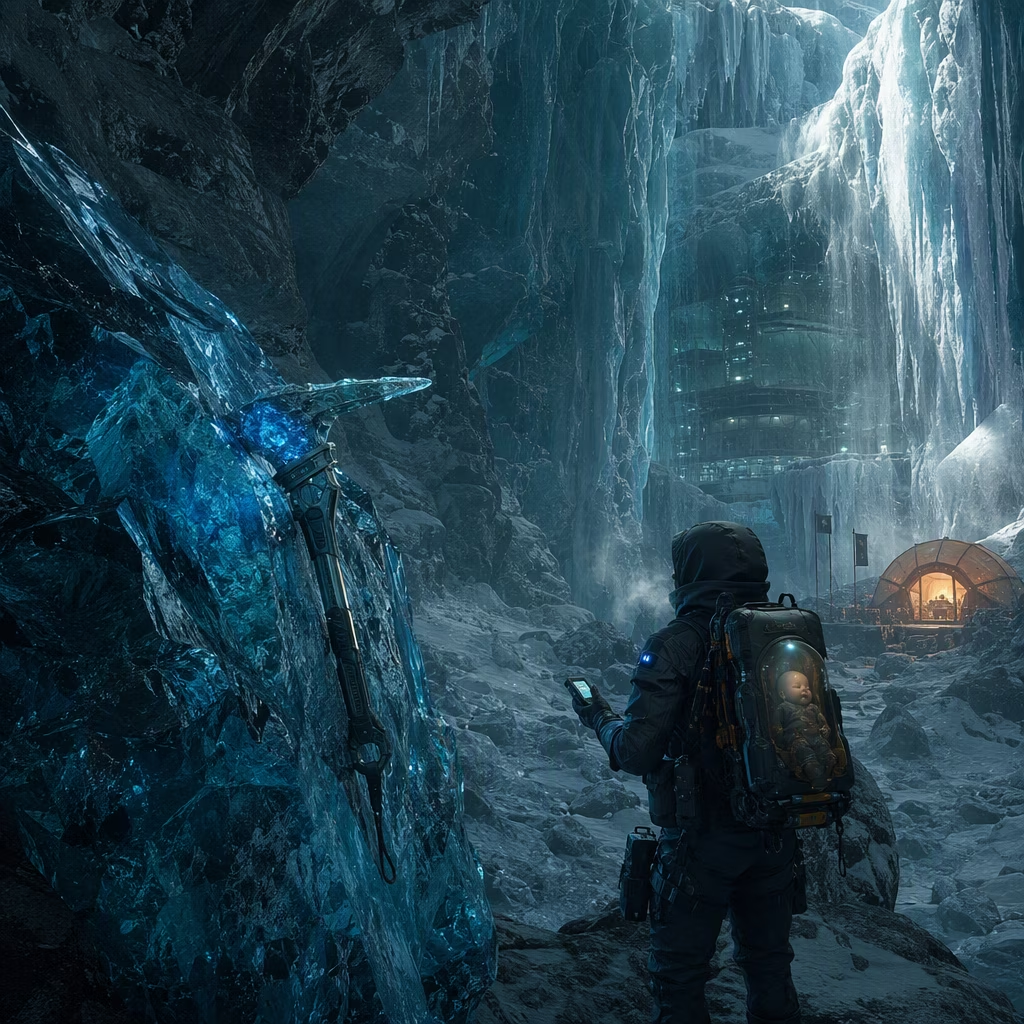
Where to Start: The Beginner's Foundation
If you're just stepping into Sam's boots for the first time, the learning curve can feel steep. My biggest advice? Plan your route before you move a single step. The game rewards patience and preparation in ways that most action titles simply don't.
Here are some essential beginner tips to keep in mind:
-
🧭 Always scout your path using the terrain scanner before committing to a direction
-
👶 Care for Lou regularly — your BB's emotional state directly impacts gameplay mechanics
-
⚠️ Watch for environmental hazards like Timefall rain, which degrades your cargo rapidly
-
👻 BTs are everywhere — move slowly and hold your breath when their indicators spike
-
📦 Balance your load carefully — overloading Sam leads to stamina drain and stumbles on rough terrain
These fundamentals will carry you through the early hours without too many catastrophic losses.
How Long Will This Journey Take?
Based on my playthrough, completing the main campaign takes roughly 40 to 50 hours if you're focused primarily on the story. However, the optional objectives, Prepper deliveries, and side content can easily push that number past 80 to 100 hours. This is not a short game, and it doesn't pretend to be one.
Combat, Gear, and Skills
One area where Death Stranding 2 significantly expands on its predecessor is combat depth. The APAS Enhancement skill tree is genuinely impressive, offering meaningful upgrades across multiple categories. I'd strongly recommend prioritizing skills that improve Sam's stamina recovery and cargo stability early on — these pay dividends across every single delivery you make.
For weapons, don't sleep on the early-game options. Leveling up your reputation with key settlements unlocks some surprisingly powerful gear within the first few hours. The investment is absolutely worth it.
When it comes to BTs specifically, you have two options: defeat them or capture and summon them. Yes, you read that right — you can actually catch these creatures and pit them against each other in full-on kaiju battles. It's exactly as wild as it sounds, and I loved every second of it.
Delivery Mechanics and Cargo Management
The soul of Death Stranding 2 remains the same as ever — you are a deliveryman, and your job is to get things from Point A to Point B in one piece. But the mechanics layered on top of that simple premise are anything but simple.
Here's a quick breakdown of what you need to manage:
| System | Why It Matters |
|---|---|
| Carrying Capacity | Determines how much you can haul per trip |
| Cargo Inventory | Keeps your items organized and accessible mid-mission |
| Container Repair | Prevents cargo from being lost or degraded |
| Battery Management | Keeps your vehicles running in the field |
The Monorail network is a game-changer once unlocked. Creating transport lines between hubs dramatically reduces backtracking, and I found myself spending considerable time optimizing these routes mid-game.
Exploration and Vehicles
You'll spend your first several hours on foot, which honestly helps you appreciate the terrain in a way fast travel never would. But once vehicles become available, the game opens up enormously. 🚗
Keep an eye on battery energy — running dry in a hostile area with a full cargo load is one of the most frustrating experiences the game can throw at you. I learned this the hard way during a particularly brutal mountain crossing.
The DHV Magellan — Sam's mobile base — also functions as a fast travel hub, letting you teleport to previously established locations. It's a lifesaver during the later acts when the map gets truly sprawling.
Hot Spring locations are also worth tracking down. Bathing grants meaningful stat buffs and, crucially, offers another form of quick repositioning across the map.
Unique NPCs and Over-the-Top Moments
One of my favorite things about Death Stranding 2 is how committed it is to its own absurdity. Three NPCs in particular stand out:
-
⚡ The Inventor – Reach him and he'll reward you with some genuinely shocking gear
-
🍕 The Pizza Chef – Unlocking this character leads to one of the most gloriously over-the-top sequences in the entire game
-
🏍️ The Ghost Hunter – He tasks you with chasing down Headless Riders across the wasteland
None of these are strictly necessary, but they're all absolutely worth pursuing.
Late-Game Secrets and Hidden Bosses
For those who have made it through the credits — or those who don't mind spoilers — the game hides some genuinely spectacular endgame content. The Lord of the Tar Lake is a secret boss requiring specific bait to lure out, essentially turning into an absurd fishing encounter with massive stakes. Meanwhile, Gigas presents one of the most intense battles in the game, demanding that players stop it before a catastrophic voidout occurs.
The post-credits content also expands on character fates in ways I found genuinely moving. Kojima doesn't wrap things up neatly, and Death Stranding 2 is all the better for it.
Final Thoughts
I'll continue updating this guides hub as I uncover more secrets and optimizations. Death Stranding 2: On the Beach is a massive, deeply strange, and utterly compelling game — and having the right information at your fingertips makes the journey significantly more enjoyable. Whether you're a first-time porter or a veteran of the original, there's always more to discover on the beach. 🌊
Critical perspectives are informed by The Verge - Gaming, whose reporting on modern game design helps contextualize why Death Stranding 2: On the Beach leans so heavily into deliberate pacing, system complexity, and long-form traversal planning—elements that make features like route scouting, cargo stability upgrades, and late-game fast-travel networks feel less like conveniences and more like essential tools for surviving Kojima’s increasingly demanding delivery loops.